


Essential Strategies for Optimizing Gut Health and Digestion
Gut health plays a crucial role in overall well-being. A balanced digestive system supports nutrient absorption, immune function, and even mental health. Many people experience digestive discomfort or irregularity without realizing that simple lifestyle changes can make a significant difference. This post explores practical, evidence-based strategies to support gut health and improve digestion.

Understanding Gut Health and Its Importance
The gut consists of the stomach, intestines, and trillions of microorganisms known as the gut microbiota. These microbes help break down food, produce vitamins, and protect against harmful bacteria. When the gut microbiota is balanced, digestion runs smoothly, and the immune system stays strong.
An imbalance, called dysbiosis, can lead to symptoms like bloating, constipation, diarrhea, and fatigue. Research links poor gut health to conditions such as irritable bowel syndrome (IBS), allergies, and even mood disorders. Supporting gut health means nurturing this microbial community and maintaining the integrity of the digestive tract.
Eat a Diverse and Fiber-Rich Diet
One of the best ways to support gut health is through diet. Eating a variety of plant-based foods provides different types of fiber, which feed beneficial bacteria.
Include fruits and vegetables: Aim for at least five servings daily. Examples include berries, leafy greens, carrots, and apples.
Choose whole grains: Brown rice, oats, quinoa, and barley contain fiber that promotes healthy digestion.
Add legumes and nuts: Beans, lentils, almonds, and walnuts provide prebiotic fibers that nourish gut bacteria.
Limit processed foods and added sugars: These can disrupt the balance of gut microbes and promote inflammation.
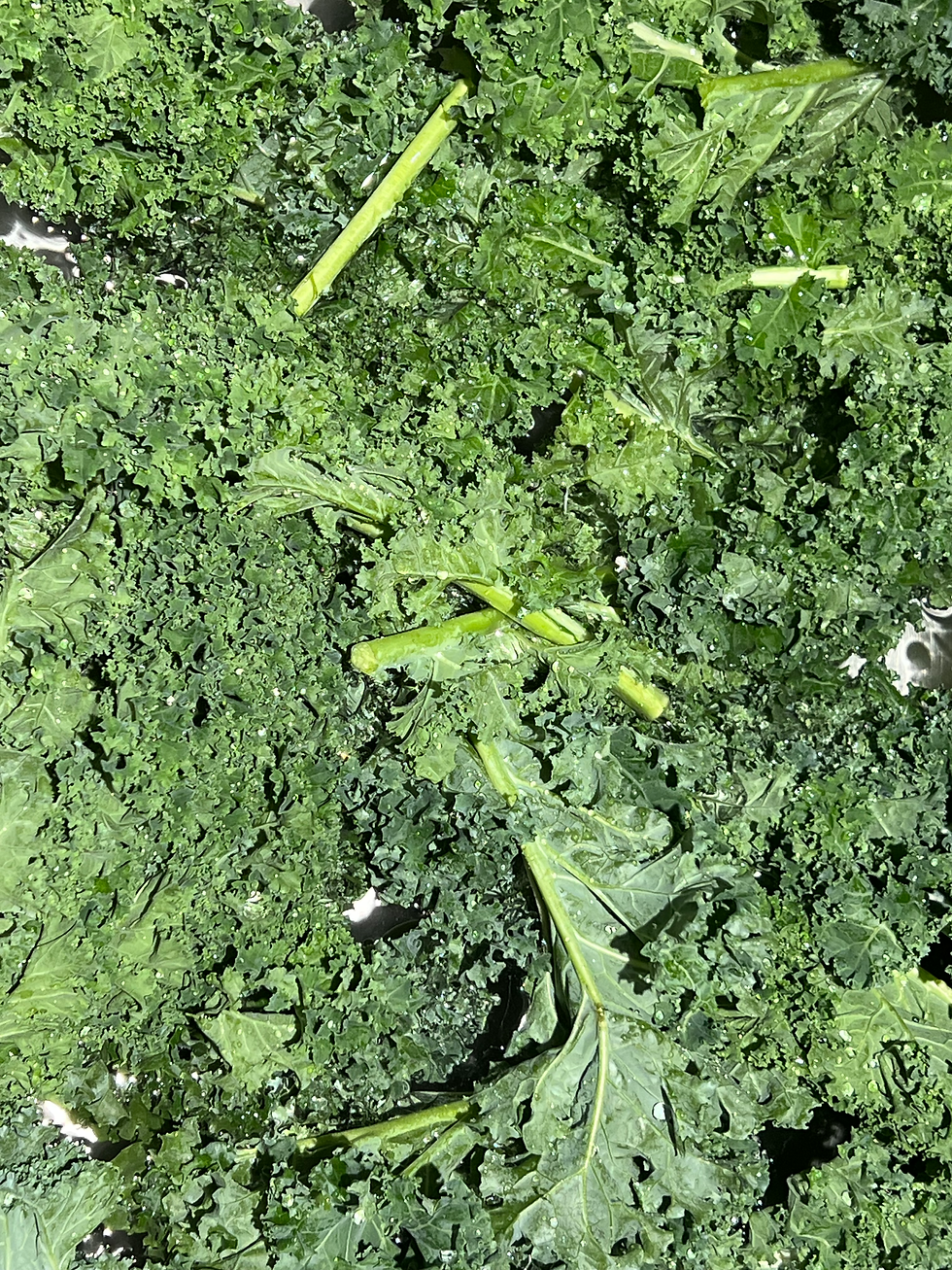
Fiber helps increase stool bulk and supports regular bowel movements. It also encourages the growth of bacteria that produce short-chain fatty acids, compounds that protect the gut lining and reduce inflammation.
Incorporate Fermented Foods for Probiotics
Fermented foods contain live bacteria that can boost the diversity and number of beneficial microbes in the gut.
Examples include: yogurt with live cultures, kefir, sauerkraut, kimchi, miso, and tempeh.
Start slowly: Introduce fermented foods gradually to avoid digestive discomfort.
Choose unpasteurized options: Pasteurization kills beneficial bacteria, so look for raw or refrigerated varieties.
Probiotics from fermented foods may help reduce symptoms of digestive disorders and improve immune response. For instance, studies show that regular consumption of yogurt can ease lactose intolerance and support gut balance.
Stay Hydrated to Support Digestion
Water is essential for digestion and nutrient absorption. It helps dissolve nutrients and fiber, making them easier to process.
Drink enough fluids daily: About 8 cups (2 liters) is a general guideline, but needs vary by individual.
Limit caffeine and alcohol: These can dehydrate the body and irritate the digestive tract.
Consider herbal teas: Peppermint or ginger tea can soothe the stomach and reduce bloating.
Proper hydration keeps stool soft and prevents constipation, which supports a healthy gut environment.
Manage Stress for Better Gut Function
Stress affects the gut through the brain-gut axis, a communication network between the brain and digestive system. Chronic stress can alter gut motility, increase inflammation, and disrupt the microbiota.
Practice relaxation techniques: Meditation, deep breathing, and yoga can reduce stress levels.
Maintain regular sleep patterns: Poor sleep negatively impacts gut health.
Engage in physical activity: Exercise helps regulate digestion and reduce stress hormones.
By managing stress, you support a balanced gut environment and improve digestion.
Avoid Unnecessary Antibiotics and Medications
Antibiotics kill harmful bacteria but also reduce beneficial gut microbes. Overuse can lead to long-term imbalances.
Use antibiotics only when prescribed: Follow medical advice carefully.
Discuss alternatives with your healthcare provider: Sometimes other treatments are available.
Support recovery after antibiotics: Eat probiotic and fiber-rich foods to help restore gut bacteria.
Certain medications like nonsteroidal anti-inflammatory drugs (NSAIDs) can irritate the gut lining. If you use these regularly, talk to your doctor about gut-friendly options.
Regular Physical Activity Supports Gut Health
Exercise promotes regular bowel movements and may increase microbial diversity.
Aim for at least 150 minutes of moderate activity weekly: Walking, cycling, swimming, or dancing are good choices.
Include strength training: Muscle health supports metabolism and digestion.
Avoid excessive intense exercise: Overtraining can stress the body and gut.
Physical activity also helps reduce stress, which benefits the digestive system.
Listen to Your Body and Seek Professional Help When Needed
Everyone’s gut is unique. Pay attention to how your body reacts to different foods and habits.
Keep a food diary: Track meals and symptoms to identify triggers.
Consult a healthcare provider: Persistent digestive issues require professional evaluation.
Consider testing: Some may benefit from tests for food intolerances or gut infections.
Early intervention can prevent complications and improve quality of life.


Comments